
 en
en How a Renovation Can Increase a Property’s Value
In today’s real estate market, renovating a property is no longer just about aesthetics. A well-planned renovation can become one of the best investments for increasing a home’s value and enhancing its appeal for future sale or rental.
More and more buyers are looking for move-in ready homes, energy-efficient properties, and functional living spaces. As a result, making the right improvements can have a significant impact not only on the final sale price, but also on how quickly the property sells.
How Much Can a Property Increase in Value After a Renovation?
While it depends on factors such as location, the property’s initial condition, and the type of renovation carried out, industry studies suggest that a renovated home can increase its value by between 10% and 30%.
In high-demand real estate areas, a well-executed full renovation can even exceed these figures, especially when it improves key aspects such as:
- Energy efficiency
- Space layout and functionality
- Natural light
- Quality of finishes
- Kitchens and bathrooms
In addition, a renovated property creates a stronger first impression on property portals and during viewings — something essential in an increasingly competitive market.
Renovations That Add the Most Value to a Home
1. Upgrading Kitchens and Bathrooms
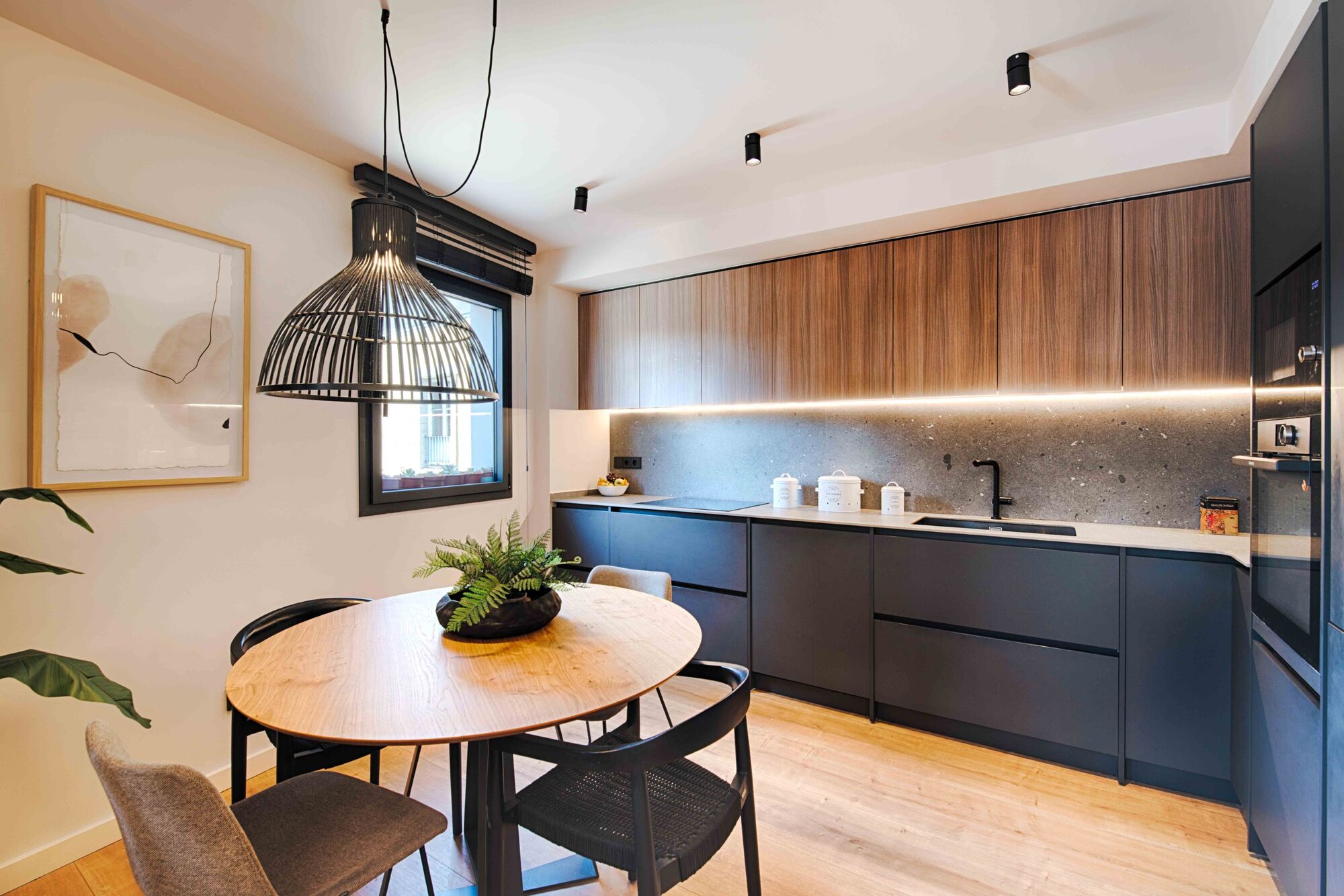
Kitchens and bathrooms remain the rooms that most influence purchasing decisions. Updating cabinetry, fittings, lighting, or wall and floor finishes creates a sense of quality, care, and modernity. A luxury renovation is not always necessary — a functional and visually appealing update can make a major difference.
2. Improving Energy Efficiency
Sustainability and energy savings are becoming increasingly important to buyers. Replacing windows, improving insulation, or installing efficient heating and cooling systems not only reduces energy consumption, but also enhances the property’s appeal and improves its energy rating.
Today, many property searches already include filters related to energy efficiency.
3. Creating Open and Bright Spaces
Homes that feel spacious and filled with natural light are often perceived as more modern and premium. Removing visual barriers, integrating the kitchen and living room, or maximising natural light can completely transform the perception of a property.
4. Updating Flooring, Paint, and Lighting
Sometimes, small improvements can deliver outstanding results. Neutral paint colours, warm lighting, and new flooring can refresh a property’s appearance with a relatively moderate investment.
Renovating to Sell Better: A Smart Real Estate Strategy
Many homeowners wonder whether it is worth investing in renovations before putting a property on the market. However, experience shows that a strategic renovation can make a substantial difference in the sales process. An updated property tends to generate more interest from the outset, reduces room for negotiation, and stands out from similar homes in the area.
Moreover, when improvements are carefully targeted, the perceived value of the property increases considerably, which can lead to a faster and more profitable sale. A full renovation is not always necessary — in many cases, small aesthetic or functional upgrades are enough to completely transform a property’s image.

What Are Buyers Looking for Today?
Buyer priorities have evolved significantly in recent years. There is now a clear preference for efficient, bright, move-in ready homes. Multifunctional spaces, contemporary design, and durable, low-maintenance materials are especially valued.
Energy certification has also become increasingly important, both from a sustainability and cost-saving perspective. In this context, adapting a property to new market demands not only improves its attractiveness, but can also become a decisive factor in increasing its value and accelerating the sale process.
Conclusion
Renovating a property is about far more than updating its appearance — it is a way of adapting the home to the evolving demands of today’s real estate market. Buyers increasingly value functional, energy-efficient, move-in ready properties, meaning that a well-planned renovation can directly influence both the property’s market value and its ability to attract interest.
Whether through a full renovation or smaller strategic improvements, investing in upgrading a property can become a key decision for increasing its value and improving its position in the market. In an increasingly competitive environment, renovated and well-presented homes are the ones that create the strongest perception of quality and stand out from similar alternatives.
