en
en Spain and the 2030 FIFA World Cup: Could the Tournament Boost the Real Estate Market?
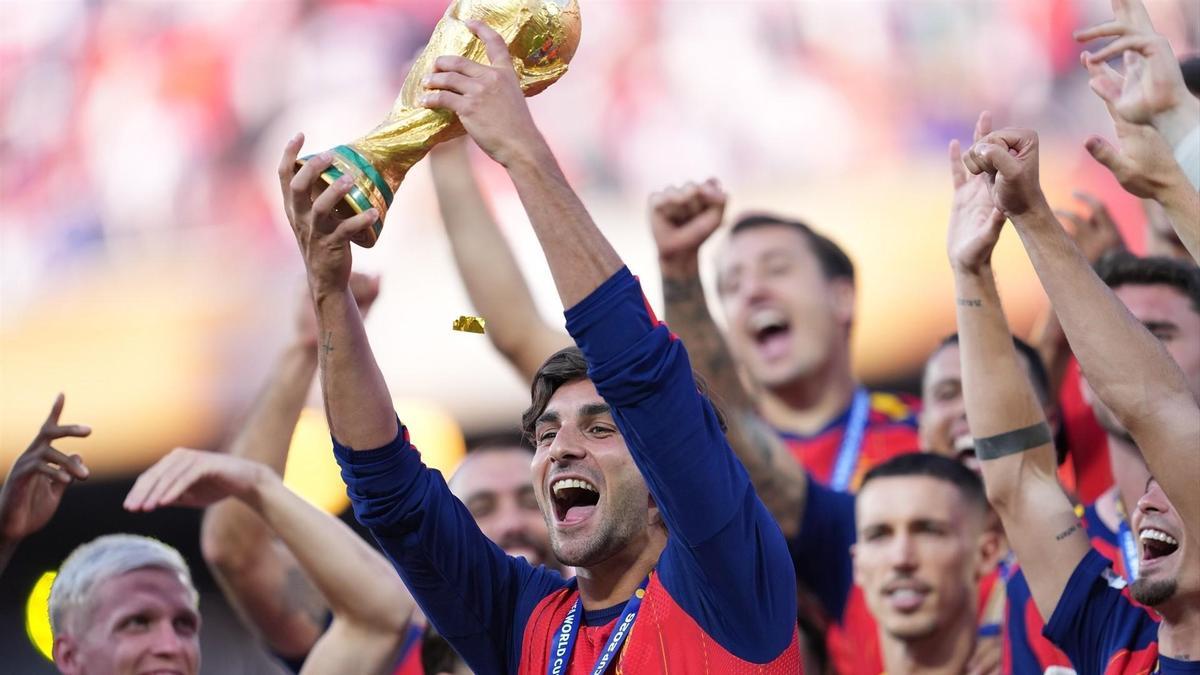
Spain is once again in the global sporting spotlight. The national team's victory has not only sparked celebrations across the country but has also placed Spain firmly back on the international stage.
Yet Spain's relationship with the FIFA World Cup does not end with this triumph. In 2030, the country will co-host the FIFA World Cup alongside Portugal and Morocco, while three centenary matches will be played in Argentina, Paraguay and Uruguay to commemorate the tournament's 100th anniversary.
Spain is moving from celebrating success on the pitch to preparing to welcome the world in just four years' time. Beyond its sporting significance, the tournament represents a major opportunity for tourism, investment and economic growth—and one that could also leave a lasting mark on the country's real estate market.
Spain Once Again in the International Spotlight
Hosting a FIFA World Cup places a country at the centre of one of the world's most powerful global showcases.
In the years leading up to the tournament, host cities, stadiums, tourist destinations and major urban regeneration projects will attract the attention of millions of people worldwide. During the competition itself, Spain will welcome fans, national teams, corporate partners, sponsors, journalists and business professionals from across the globe.
This unprecedented exposure could further strengthen a trend that is already well established: growing international demand for Spanish real estate.
Spain continues to offer many of the qualities international buyers value most when purchasing property abroad, including its climate, outstanding quality of life, excellent transport connections, world-class healthcare, international schools, safety and a rich cultural and culinary scene.
The 2030 World Cup will not create this appeal—but it could certainly amplify it.
For many visitors, the tournament may become their first introduction to Spanish cities and destinations that they later choose as a permanent residence, holiday home or long-term property investment.
Infrastructure Investment and Urban Regeneration
Some of the most significant impacts of major sporting events occur long before the opening match.
Preparing to host a World Cup typically involves substantial investment in stadiums, transport infrastructure, public spaces, accessibility, security, telecommunications and hospitality facilities. When these improvements form part of a long-term urban development strategy, they can significantly enhance both competitiveness and quality of life in host cities.
The OECD has highlighted that major sporting, cultural and business events can generate lasting benefits for local communities when they are aligned with long-term planning and sustainable development objectives.
From a real estate perspective, these improvements may particularly benefit neighbourhoods and municipalities that experience:
- New transport connections
- Public realm improvements
- Better accessibility
- Building refurbishment projects
- New amenities and public services
- Increased commercial and business activity
However, not every location will benefit equally. Simply being close to a stadium does not automatically lead to higher property values.
The true value lies in the long-term legacy—investments that permanently improve mobility, infrastructure, services, liveability and the overall attractiveness of an area.
New Opportunities for Property Investment
The 2030 FIFA World Cup could also create new opportunities across the accommodation sector.
Demand for hotels, serviced apartments, medium-term rentals and accommodation for corporate guests, sports delegations and international visitors is expected to rise throughout the tournament.
This could increase investor interest in a wide range of real estate assets, including:
- Hotels and aparthotels
- Short- and medium-term rental properties
- Branded and serviced residences
- Buildings with redevelopment potential
- Mixed-use developments
- Retail assets in high-footfall locations
- Residential developments with excellent transport links
Nevertheless, it is important to distinguish between temporary demand generated by the tournament and sustainable long-term investment value.
The strongest investment opportunities are likely to remain those supported by stable residential demand, established infrastructure, excellent connectivity and continued appeal to both domestic and international buyers beyond 2030.
A Potential Boost for the Luxury Property Market
The luxury residential sector could be among the biggest beneficiaries of the international exposure generated by the World Cup.
The tournament will attract business leaders, sponsors, athletes, investors and affluent visitors from around the world. Many are expected to extend their stay beyond the host cities to discover some of Spain's most desirable residential destinations.
Madrid, Barcelona, the Costa del Sol, the Costa Blanca, the Balearic Islands and other established luxury markets may therefore enjoy even greater visibility among a global audience.
In this environment, the properties most likely to attract international buyers will combine prime locations with features such as privacy, security, energy efficiency, outstanding architecture, generous outdoor spaces and premium amenities.
Luxury buyers are not simply purchasing a home—they are investing in a destination, a lifestyle and a unique living experience. In this respect, Spain enjoys an exceptionally strong competitive position.
Could the World Cup Drive House Prices Higher?
It would be overly simplistic to suggest that the 2030 FIFA World Cup alone will trigger a nationwide increase in property prices.
Residential values continue to depend primarily on factors such as housing supply, financing conditions, interest rates, employment levels, international demand and broader economic performance.
The tournament may act as an additional catalyst, particularly in locations benefiting from significant infrastructure investment or urban regeneration. International research has found that property values can increase around new sporting venues or in districts transformed through major redevelopment projects. However, outcomes vary considerably depending on the city, the scale of investment and the quality of long-term planning.
As a result, any impact is likely to be selective rather than universal.
Well-connected areas with limited housing supply and carefully planned regeneration projects may attract stronger investment demand, while isolated developments with little long-term purpose are likely to experience a much more limited effect.
Balancing Growth with Housing Affordability
Hosting a World Cup also presents important challenges.
Higher demand for tourist accommodation and short-term rentals may place additional pressure on housing markets in certain cities. Public authorities will therefore need to balance the economic opportunities generated by the tournament with the housing needs of local communities.
Experience from previous mega-events shows that urban regeneration can create significant opportunities but may also produce unintended consequences, including rising housing costs, residential displacement and reduced housing affordability.
Ultimately, the success of the World Cup should not be measured solely by property price growth, but by its ability to create more liveable, sustainable and future-ready cities.
From Sporting Success to a Lasting Legacy
Spain's recent sporting success has once again enhanced the country's international reputation and placed it firmly in the global spotlight. The 2030 FIFA World Cup now offers an opportunity to transform that visibility into a lasting economic and urban legacy.
Over the coming years, Spanish cities will prepare to welcome millions of visitors from around the world. Infrastructure upgrades, improved connectivity, urban regeneration and continued international demand could create new opportunities for homeowners, buyers and investors alike.
However, as in sport, long-term success is rarely achieved through a single event. It is built on careful planning, strategic vision and the ability to make informed decisions with the future in mind.
The 2030 FIFA World Cup presents Spain with a unique opportunity—not only to host one of the world's greatest sporting events, but also to reinforce its position as one of the world's most attractive destinations for real estate investment and premium living.