
 en
Interior Design Trends 2027: Spaces with Character, Style and Wellbeing
Interior design is constantly evolving, reflecting not only changing aesthetic preferences but also the way we experience and enjoy our homes. In 2027, interior design trends are moving towards warmer, more authentic and personalised spaces, where elegance meets comfort and natural materials take centre stage.
Moving away from overly uniform interiors, contemporary design embraces homes with character, capable of evoking emotions and adapting to the lifestyles of those who live in them. Home décor is no longer simply about aesthetics; it has become an expression of individuality, wellbeing and balance.
At Coldwell Banker España, we explore the key interior design and home décor trends for 2027, set to transform residential spaces and redefine the way we live in them.
1. Colour Trends for 2027: Warm Tones and Sophisticated Contrasts
The emerging colour palette for 2027 moves away from all-white and grey interiors, embracing warmer, richer and more expressive shades.
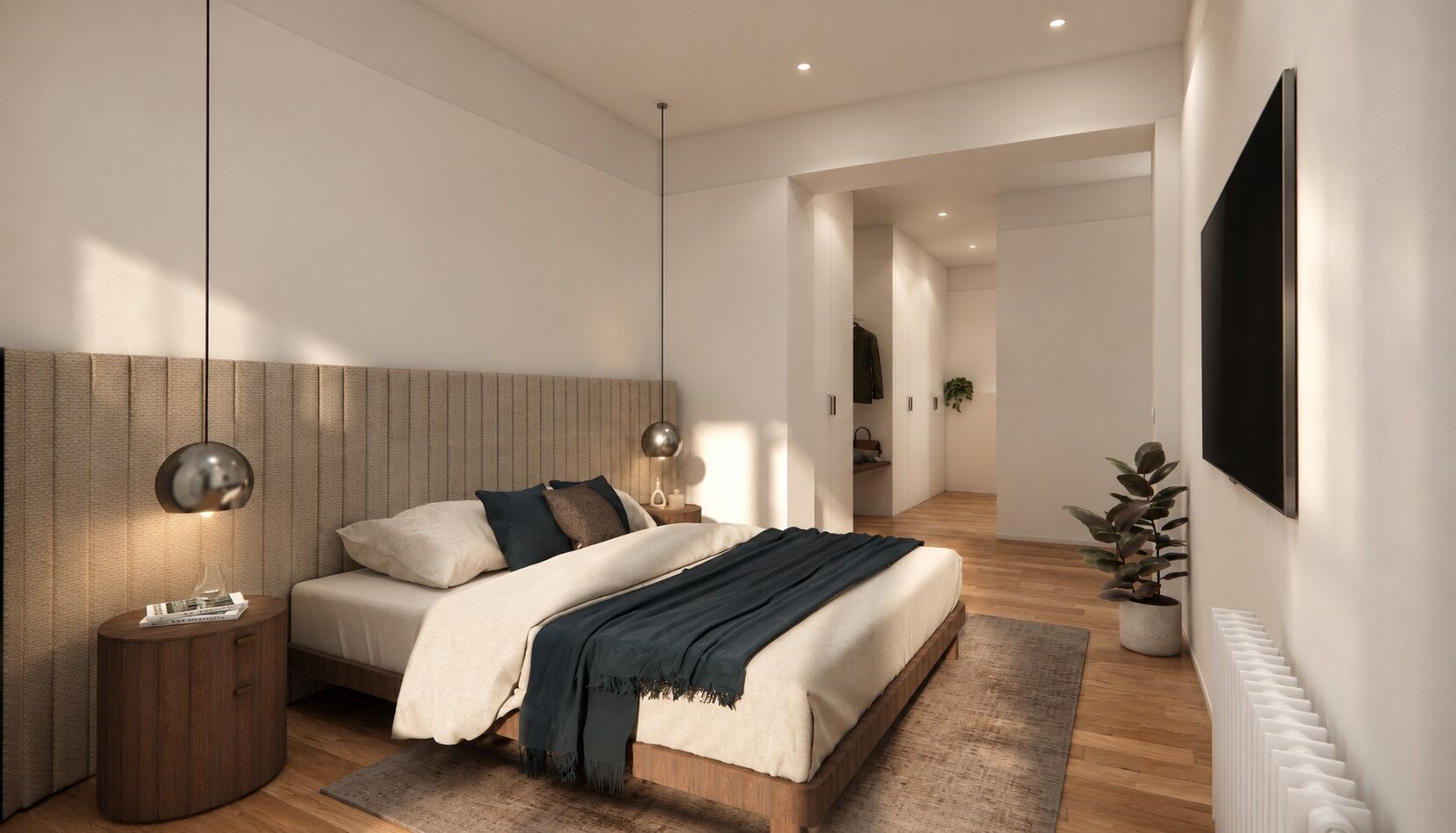
Earthy hues, deep browns, terracotta, warm beige and natural greens are gaining prominence for their ability to create serene, elegant spaces. Alongside these, colours such as burgundy, rich blue and soft yellow introduce subtle contrasts that add personality without compromising sophistication.
One of the defining features of this trend is the combination of different shades and intensities of the same colour, creating visually harmonious interiors with depth and nuance.
In a contemporary living room, for example, a neutral foundation can be enhanced with dark wood furniture, chocolate-toned textiles and subtle olive-green accents. The result is a refined, inviting and timeless atmosphere.
2. Quiet Luxury: Understated Elegance
The concept of luxury continues to evolve towards a more understated, personal aesthetic, with a greater emphasis on the quality of living spaces.
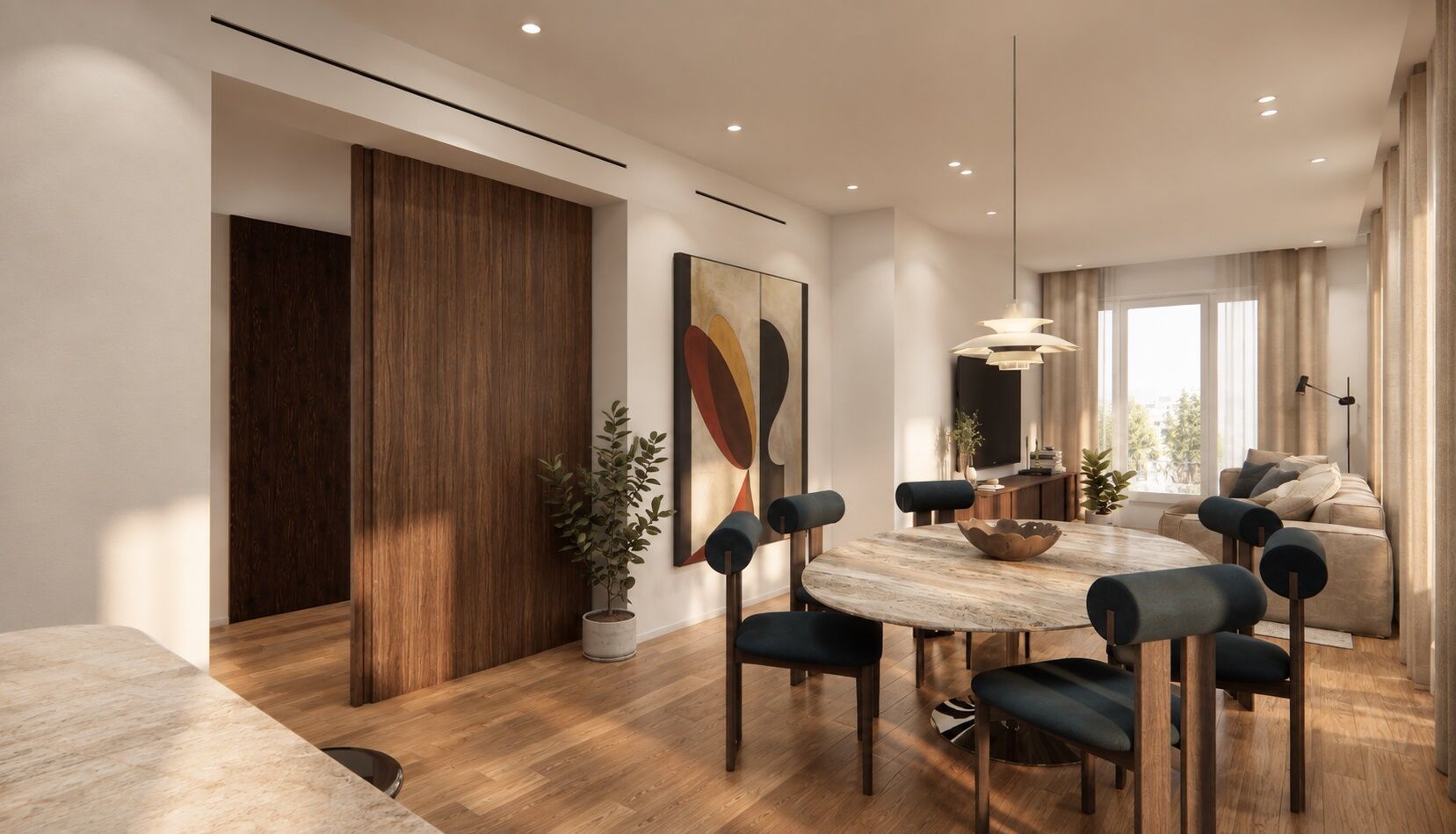
In luxury interior design, sophistication is no longer necessarily defined by statement features or extravagant finishes. Architectural harmony, carefully selected materials, thoughtful lighting and attention to the smallest details are becoming increasingly important.
Timeless designer furniture, handcrafted pieces and balanced combinations of textures create exclusive environments without the need for excessive decoration.
This approach to luxury also places greater importance on comfort and the everyday living experience. An exceptionally inviting bedroom, a living room flooded with natural light or a terrace seamlessly connected to the home can all become expressions of true sophistication.
Increasingly, true luxury lies in enjoying spaces that convey tranquillity, quality and a distinctive sense of identity.
3. Biophilic Design: Bringing Nature into the Home
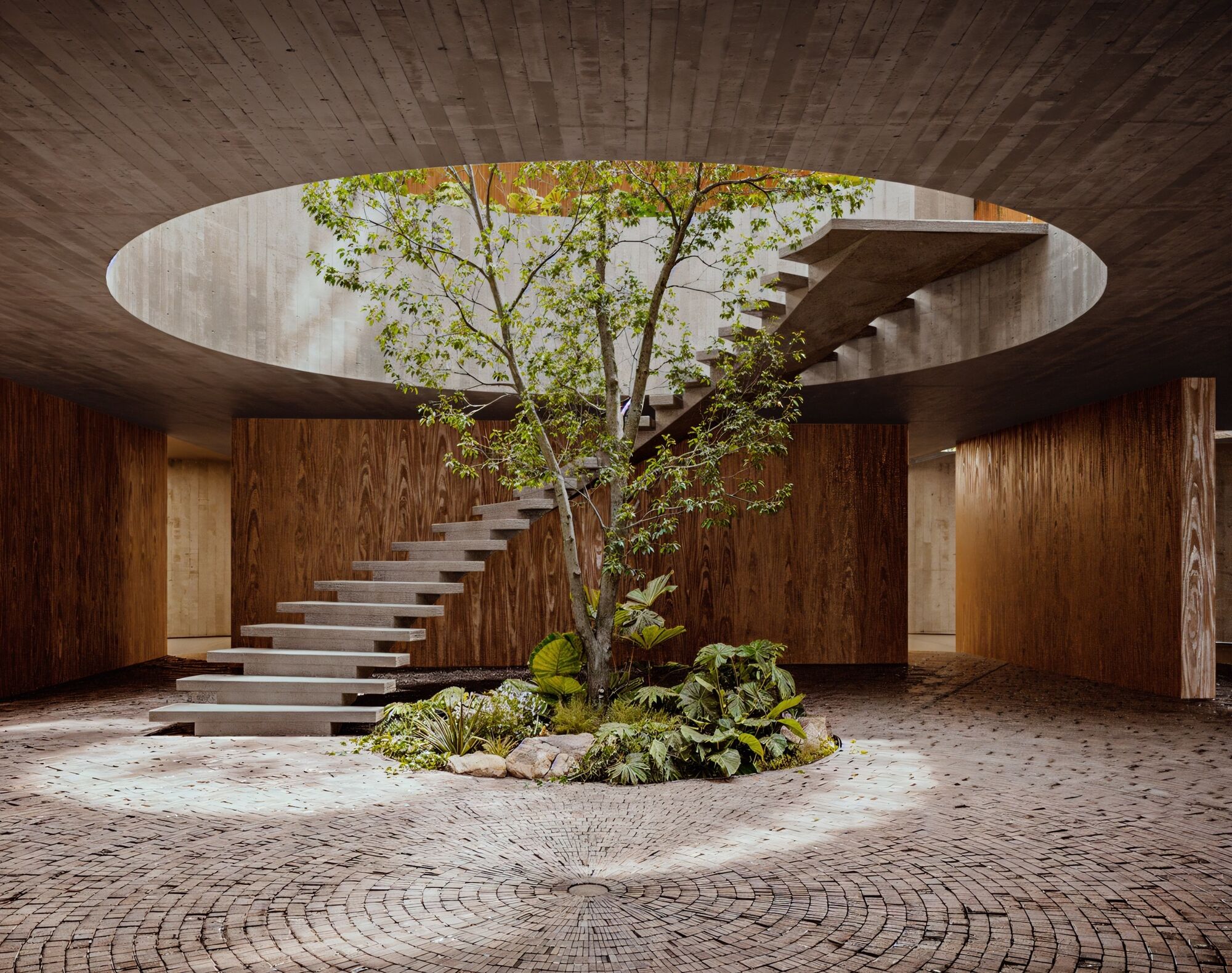
The integration of natural elements into residential design continues to gain momentum. Biophilic design, which seeks to strengthen the connection between people and the natural environment, is inspiring homes where light, greenery and outdoor spaces come together as part of a seamless living experience.
Expansive windows, indoor gardens, courtyards, terraces and organic materials all contribute to creating bright, open and welcoming environments.
This trend is particularly relevant to Mediterranean architecture, where the relationship between indoor and outdoor living has long been a defining architectural feature.
In cities such as Barcelona, Madrid and Valencia, as well as residential destinations along the Spanish coast, properties that make the most of natural light and outdoor spaces offer countless opportunities to embrace this design philosophy.
Beyond its aesthetic appeal, the aim is to create homes that encourage relaxation, provide an escape from everyday pressures and foster a closer connection with the surrounding environment.
4. Flexible Living Spaces That Adapt to Every Lifestyle
Functionality is becoming one of the defining principles of modern interior design. Contemporary homes are increasingly designed to accommodate different activities and needs while maintaining a carefully considered aesthetic.
Multifunctional spaces, integrated storage solutions and versatile furniture make it possible to maximise every room and adapt interiors as lifestyles evolve.
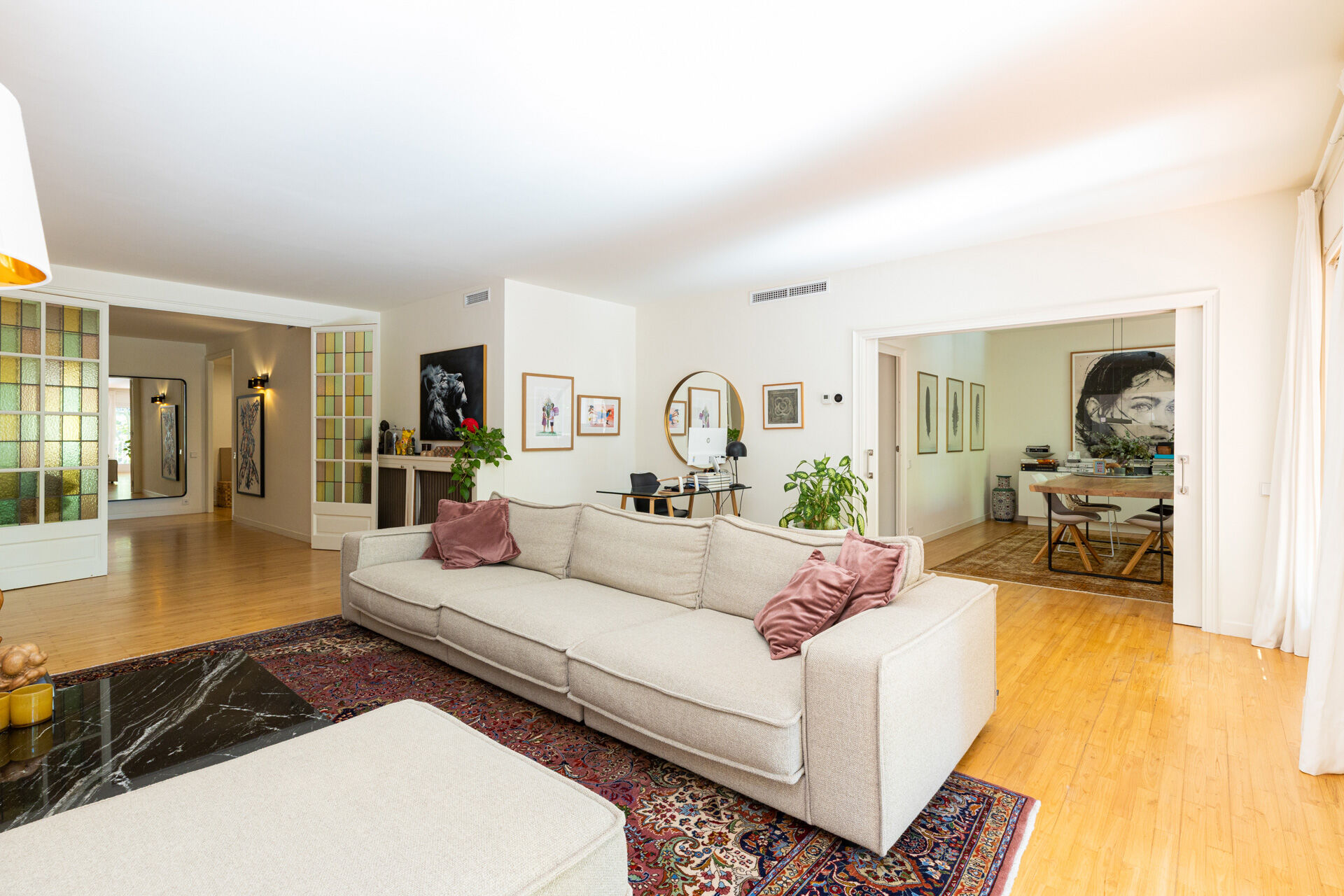
A single room might combine a home office with a personal library, while a living room can incorporate distinct areas for relaxation, reading and entertaining guests.
The trend is not necessarily about removing walls or creating entirely open-plan layouts, but rather finding the right balance between spaciousness, privacy and functionality.
In this way, interior design responds to the demands of everyday life, transforming each space into an environment designed to be enjoyed to the fullest.

5. Craftsmanship, Art and Pieces with a Story: Creating Unique Homes
Moving away from standardised interiors, the design trends for 2027 celebrate the value of distinctive objects and pieces that tell a story.
Restored furniture, handcrafted ceramics, works of art, antiques and treasures collected during travels are finding their place in contemporary homes, introducing a sense of personality that is difficult to replicate.
Combining different periods and styles makes it possible to create interiors full of character, where traditional and modern elements coexist effortlessly.
An antique sideboard, for instance, can complement a minimalist dining room, while a contemporary artwork can create a striking contrast within a traditionally designed property.
The result is a home that evolves alongside its owners, reflecting their tastes, experiences and memories.
This pursuit of authenticity transforms interior decoration into a form of personal expression, reinforcing the idea that a truly exceptional home does not need to resemble any other.
6. Wellbeing at the Heart of the Home
One of the most significant trends in contemporary interior design is the growing importance of wellbeing within the home.
Increasingly, the home is seen as a personal sanctuary: a place to find peace, unwind and enjoy meaningful moments.
This philosophy is reflected in bedrooms designed to encourage restful sleep, spa-inspired bathrooms, cosy reading corners and dedicated relaxation areas.
Lighting plays a fundamental role. Combining natural daylight, indirect lighting and carefully positioned light sources makes it possible to create different atmospheres suited to each moment of the day.
Acoustic comfort, soft and tactile fabrics, and layouts that encourage a natural flow between rooms are also becoming increasingly important.
Ultimately, interior design is no longer solely focused on creating visually appealing spaces. It is about shaping environments that make everyday living more enjoyable, balanced and personal.
Interior Design in 2027: Towards More Authentic and Personal Homes
The interior design trends for 2027 share a common philosophy: rediscovering the essence of home as a place of wellbeing, personal identity and emotional connection.
Natural materials, warm colours, craftsmanship and functional design point towards a more thoughtful approach to interiors, where quality and individuality take precedence over passing trends.
Yet beyond any particular trend, the true appeal of a home lies in its ability to adapt to the people who live in it and become the setting for their everyday experiences.
At Coldwell Banker España, we believe that every property has its own unique character and that finding the ideal home means discovering a space that truly reflects the way we live.
Because an exceptional home is defined not only by its architecture or design, but also by the experiences, memories and moments it makes possible.
Explore our selection of properties and find a home that reflects your lifestyle.