
 en
en Time Change, Perspective Shift: How Light Influences Home Buying Decisions
Each spring, with the arrival of daylight saving time in Spain, we don’t just move the clock forward — our perception of time, space… and, in many cases, what we look for in a home also shifts.
This adjustment, which grants us more daylight at the end of the day, has a far deeper impact than it may seem, particularly in the real estate sector.
More light, more viewings… and more emotional decisions
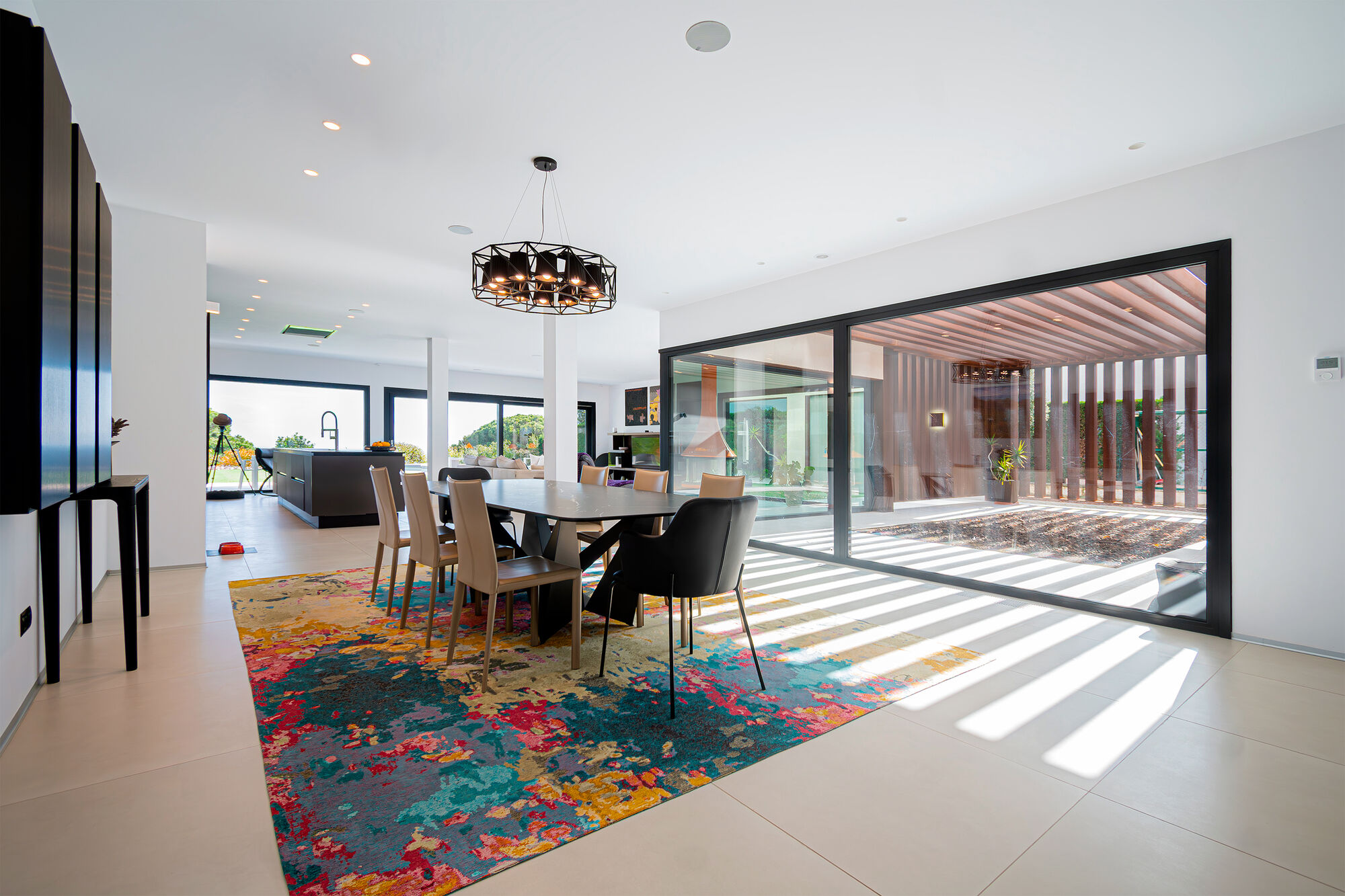
The increase in natural daylight encourages longer property viewings, carried out under more favourable conditions. A home that felt dim at 6:00 p.m. in winter can appear completely transformed in spring.
Natural light:
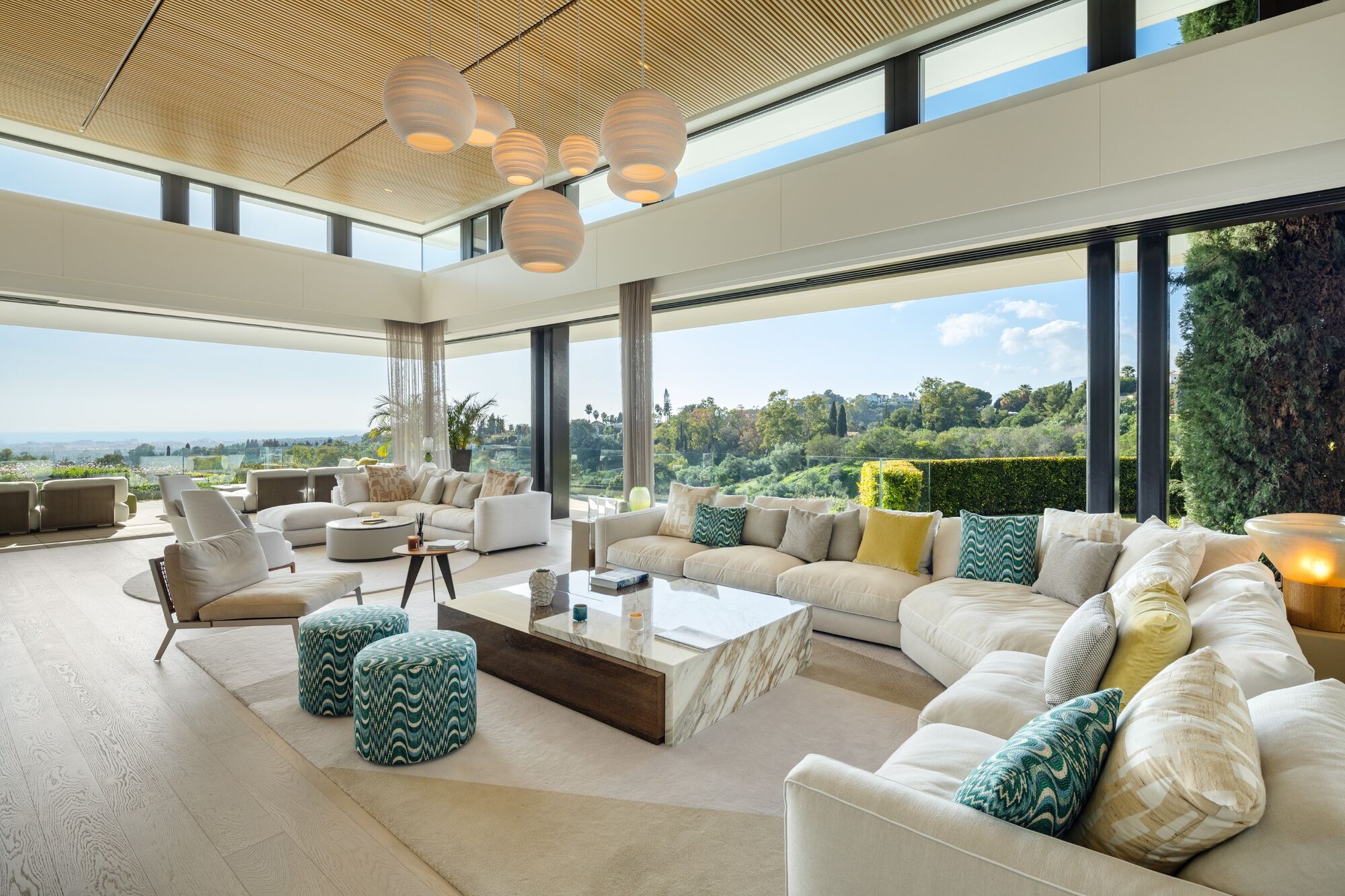
- Visually expands spaces
- Enhances the perception of warmth and comfort
- Highlights materials, finishes, and views
- Creates a stronger emotional connection
In this context, it is no coincidence that spring is traditionally one of the most active periods in the real estate market.
The “I want to live here” effect
With longer days, buyers can visit properties after work, without rush and in a better frame of mind. This leads to a more relaxed — and more emotional — experience. It is often at this point that the so-called “home effect” appears: that hard-to-define feeling when a property stops being just another option and becomes the option.
What does this mean for sellers and buyers?
For sellers
- It is the ideal time to highlight the property’s natural light
- Viewings should be scheduled during the best daylight hours
- Small details, such as opening curtains or enhancing terraces and outdoor spaces, make a significant difference
For buyers
- It is an excellent opportunity to see the property at its best
- It allows proper assessment of key aspects such as orientation, natural light, and outdoor usability
- It supports more confident decision-making
Beyond the clock: a lifestyle matter
The time change does not only alter our schedules — it also transforms our routines: later dinners, more outdoor living, and more time at home with natural light.
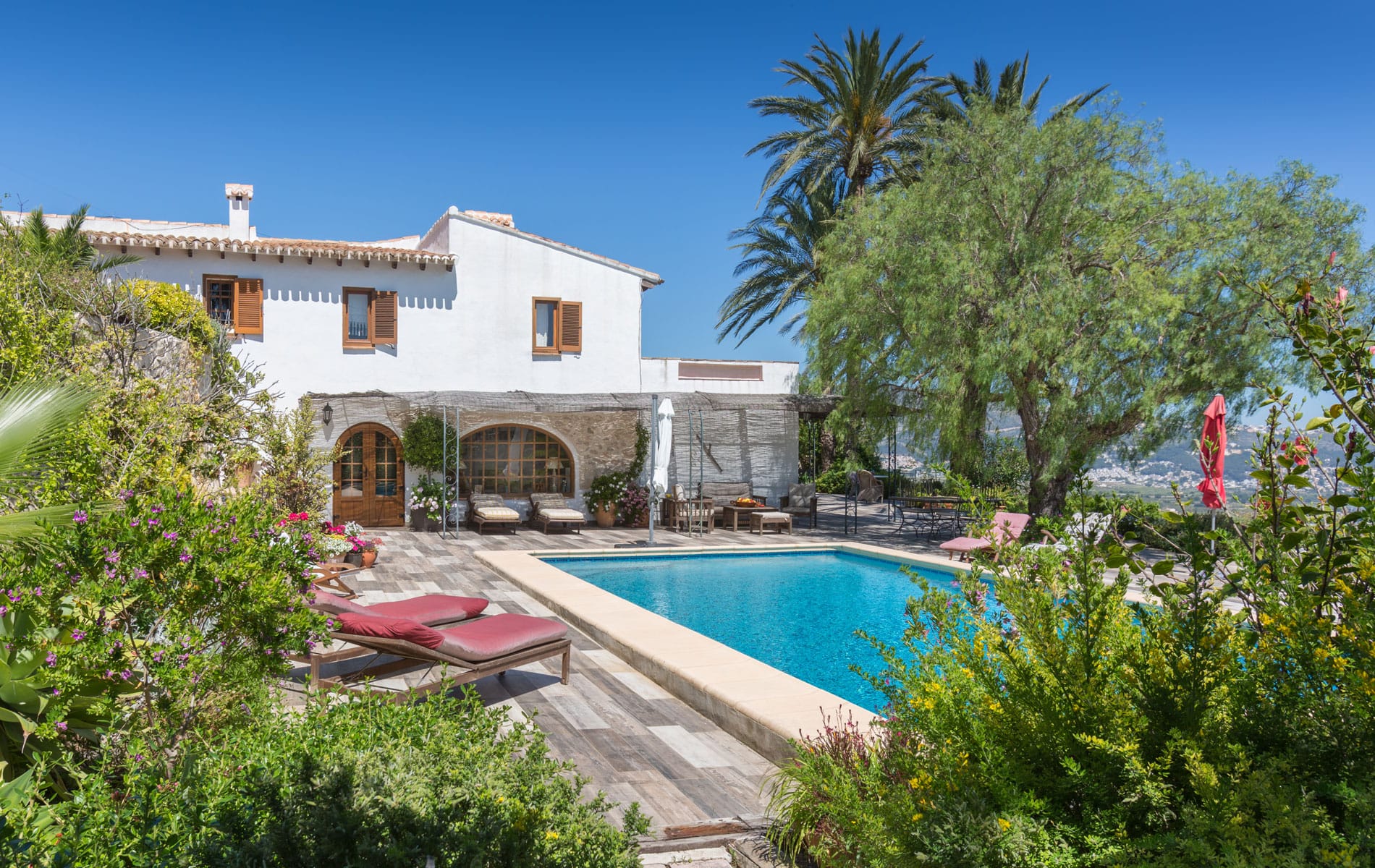
All of this directly influences how we value a property. More than ever, buyers are seeking homes that align with their lifestyle: bright spaces with terraces, balconies, or open areas that allow them to enjoy this renewed relationship with time.
The real estate market is not driven solely by economic factors; emotions, sensations, and — to a large extent — the way we perceive space also play a key role.
And in this regard, light — that great silent protagonist — has much to say.
Because, in the end, we are not just changing the time… we are changing the way we imagine our home.